
La doina, un fil sonore pour “vivre avec le trouble”
Rencontre
16h30-17h30
La doina, un fil sonore pour “vivre avec le trouble”
[SÉANCE EN ANGLAIS]
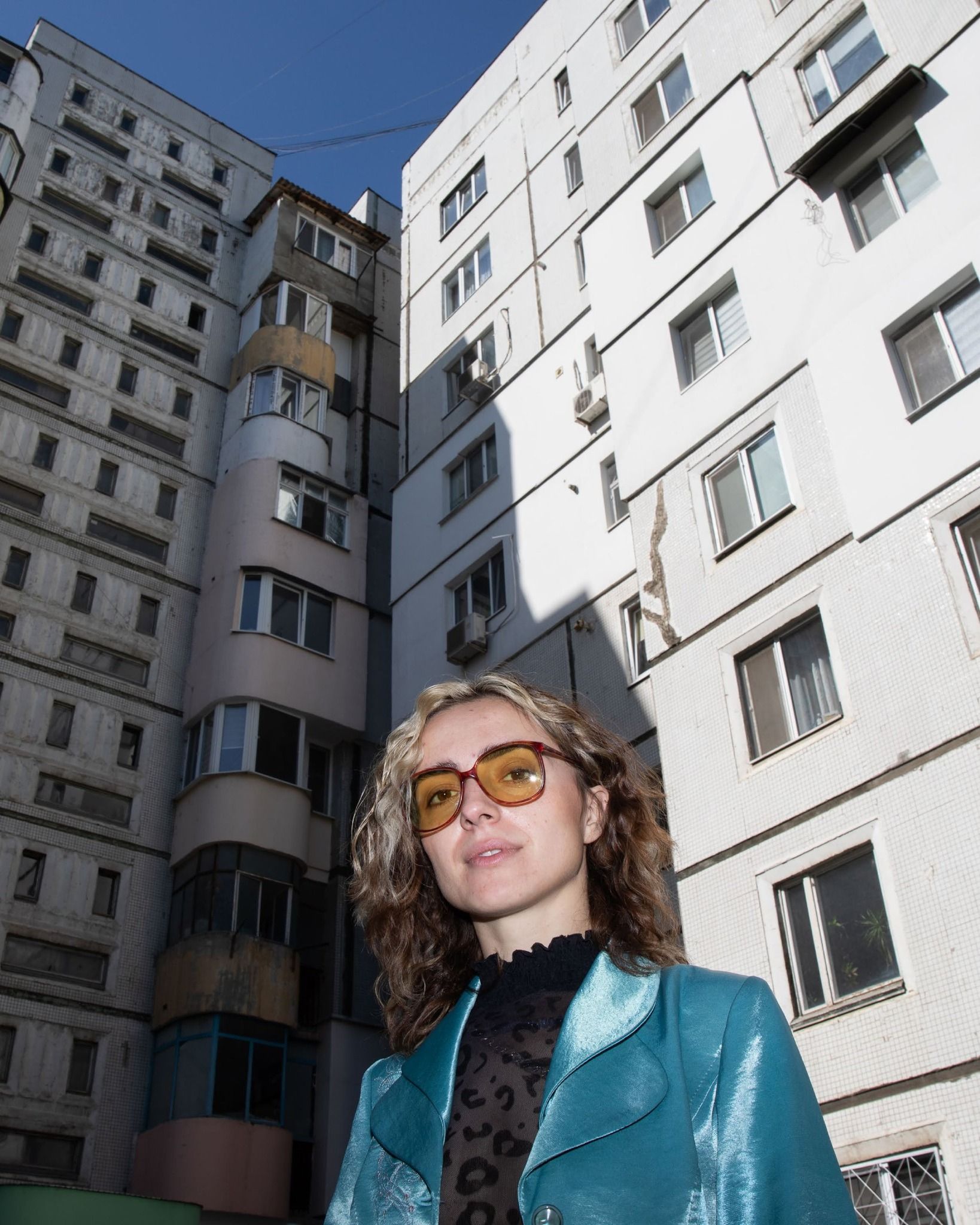
Anthropologue et artiste sonore originaire de Moldavie, Madalina Ciocanu, alias BORS, s’intéresse à l’animisme dans le folklore moldave et roumain. Elle aborde la doina (chanson/structure/réflexion « traditionnelle ») comme un fil sonore qui nous aide à « vivre avec le trouble » dans notre monde étrange (Donna J. Haraway dans Staying with the Trouble, 2016). En Moldavie, le folklore est désormais mythifié comme quelque chose d' “authentique” à préserver et à encapsuler dans sa pureté. Sous le régime soviétique, il a été politisé et chorégraphié pour devenir un outil de propagande, le coupant ainsi de ses racines relationnelles et animistes. En collaboration avec le CNCPPCI (Centre National pour la Conservation et la Promotion du Patrimoine Culturel Immatériel), Madalina Ciocanu dialogue avec les archives de la doina, pour établir à travers l'art sonore, les collages et la composition expérimentale, une poésie pensée comme un “moyen de rechercher la guérison décoloniale”.
Une rencontre modérée par Roberto Paci Dalò.
Avec le soutien de l'Institut Français de Roumanie
Programmation en relation avec la 2e édition du festival Orizont Sonor (Bucarest, septembre 2025)
Anthropologue et artiste sonore originaire de Moldavie, Madalina Ciocanu, alias BORS, s’intéresse à l’animisme dans le folklore moldave et roumain. Elle aborde la doina (chanson/structure/réflexion « traditionnelle ») comme un fil sonore qui nous aide à « vivre avec le trouble » dans notre monde étrange (Donna J. Haraway dans Staying with the Trouble, 2016). En Moldavie, le folklore est désormais mythifié comme quelque chose d' “authentique” à préserver et à encapsuler dans sa pureté. Sous le régime soviétique, il a été politisé et chorégraphié pour devenir un outil de propagande, le coupant ainsi de ses racines relationnelles et animistes. En collaboration avec le CNCPPCI (Centre National pour la Conservation et la Promotion du Patrimoine Culturel Immatériel), Madalina Ciocanu dialogue avec les archives de la doina, pour établir à travers l'art sonore, les collages et la composition expérimentale, une poésie pensée comme un “moyen de rechercher la guérison décoloniale”.
Une rencontre modérée par Roberto Paci Dalò.
Avec le soutien de l'Institut Français de Roumanie
Programmation en relation avec la 2e édition du festival Orizont Sonor (Bucarest, septembre 2025)
[SESSION IN ENGLISH]
Anthropologist and sound artist from Moldova, Madalina Ciocanu, alias BORS, is interested in animism in Moldovan and Romanian folklore. She approaches the doina (a ‘traditional’ song/structure/reflection) as a sound thread that helps us ‘stay with trouble’ in our strange world (Donna J. Haraway in Staying with the Trouble, 2016). In Moldova, folklore is now mythologised as something ‘authentic’ to be preserved and encapsulated in its purity. Under the Soviet regime, it was politicised and choreographed to become a propaganda tool, thus cutting it off from its relational and animistic roots. In collaboration with the CNCPPCI (National Centre for the Conservation and Promotion of Intangible Cultural Heritage), Madalina Ciocanu engages with the archives of the doina to establish, through sound art, collages and experimental composition, a poetry conceived as a ‘means of seeking decolonial healing’.
A discussion moderated by Roberto Pacì Dalò.
With the support of the French Institute in Romania
Programming in connection with the 2nd edition of the Orizont Sonor festival (Bucharest, September 2025)
Anthropologist and sound artist from Moldova, Madalina Ciocanu, alias BORS, is interested in animism in Moldovan and Romanian folklore. She approaches the doina (a ‘traditional’ song/structure/reflection) as a sound thread that helps us ‘stay with trouble’ in our strange world (Donna J. Haraway in Staying with the Trouble, 2016). In Moldova, folklore is now mythologised as something ‘authentic’ to be preserved and encapsulated in its purity. Under the Soviet regime, it was politicised and choreographed to become a propaganda tool, thus cutting it off from its relational and animistic roots. In collaboration with the CNCPPCI (National Centre for the Conservation and Promotion of Intangible Cultural Heritage), Madalina Ciocanu engages with the archives of the doina to establish, through sound art, collages and experimental composition, a poetry conceived as a ‘means of seeking decolonial healing’.
A discussion moderated by Roberto Pacì Dalò.
With the support of the French Institute in Romania
Programming in connection with the 2nd edition of the Orizont Sonor festival (Bucharest, September 2025)
Salle de commission 8
Invité·es :